Sistema de blogs Diarium
Universidad de Salamanca
Olga Barrios
Facultad de Filología
 
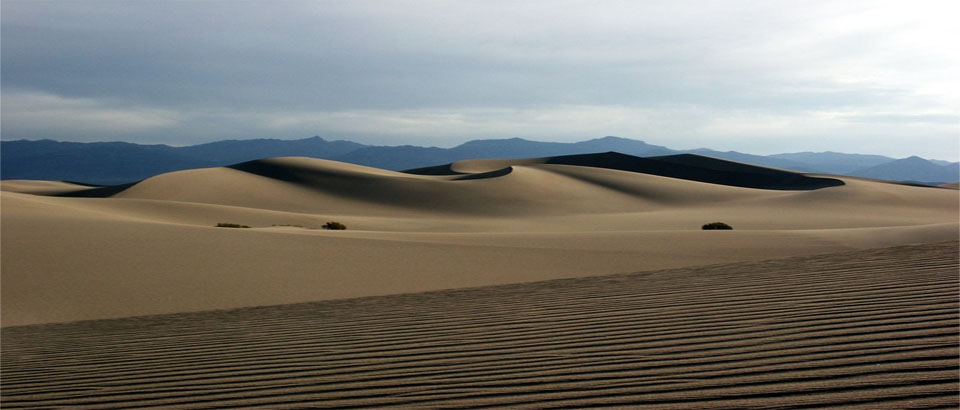
Desierto arena negra

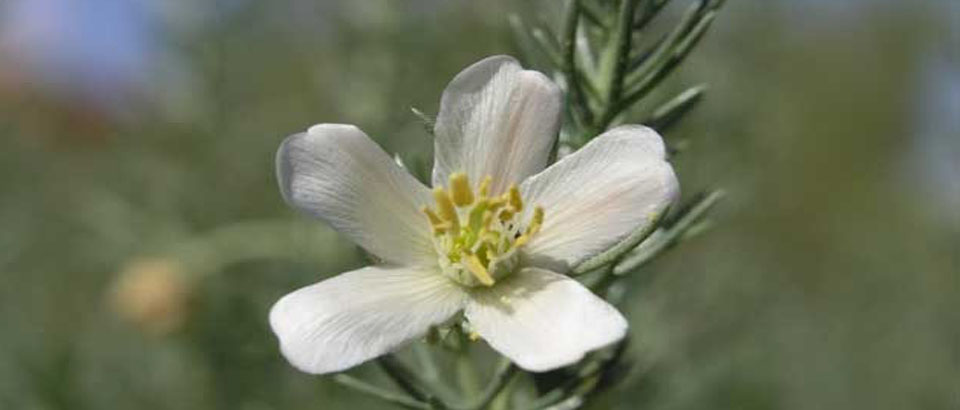
The Story of the Lotus Flower

“The lotus is the most beautiful flower, whose petals open one by one. But it will only grow in the mud. In order to grow and gain wisdom, first you must have the mud — the obstacles of life and its suffering… The mud speaks of the common ground that humans share, no matter what our stations in life… Whether we have it all or we have nothing, we are all faced with the same obstacles: sadness, loss, illness, dying and death. If we are to strive as human beings to gain more wisdom, more kindness and more compassion, we must have the intention to grow as a lotus and open each petal one by one. ” ― Goldie Hawn


For full article click HERE.

Share

Comentarios { 0 }

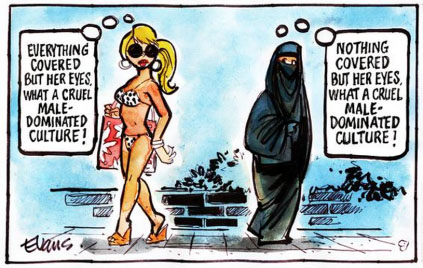
Definiendo la opresión de la mujer: burka vs. bikini

A raíz de esta viñeta humorística del neozelandés Malcolm P. Evans, “la madrileña Yolanda Domínguez decidió plasmar esa idea en su nueva obra Esclavas”.  Esclavas “trata de denunciar el sometimiento de la mujer a favor del hombre. No seamos hipócritas, nosotras no nos sometemos menos que ellas. Vamos por dos caminos diferentes que se juntan en un mismo punto, en el centro del laberinto. Algunas arrastran un burka pero otras llevan un velo en los ojos. De cualquier manera, ninguna somos capaces de mirar más allá de lo que esa prenda nos deja ver, más allá de nuestra realidad distorsionada”.

Pincha aquí para ver artículo Un burka, un bikini y unas gafas de sol, y dos mujeres no tan distintas (posted 31 diciembre 2012). El artículo además incluye dos videos.

See also another article and CARTOON IN ENGLISH: “Defining Women’s Oppression: The Burka vs. the Bikini”.  Click here.

Share

Comentarios { 0 }

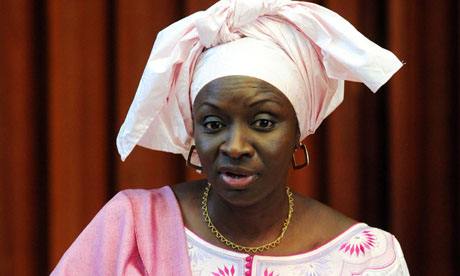
Another African Woman to Power – Amina Toure, Senegal’s Prime Minister

From Guardian African Network

“Senegal hails new prime minister known for football and feminism: Aminata Toure, predictably dubbed Iron Lady in the press, has successful track record opposing corruption”

Click here for full article.

Share

Comentarios { 0 }

BBC 100 Women: Half the World Speaks

From BBC News World, September 4, 2013:

“Women around the world have achieved extraordinary things during the past century. But despite major steps forward in securing political, cultural and social rights, women everywhere face steep challenges compared to their male counterparts.

Throughout October our global network of correspondents will try to answer some [of the questions included in this article]. But we want to hear your stories as we go along.   Our season will close with a conference on Friday 25 October when 100 women from around the world – some high-profile, many less well-known – will join us at our London HQ for a day of debate and interaction.

The conference will be streamed online and broadcast live in English on BBC World News TV and World Service radio, as well as by many of our 27 global languages services.”

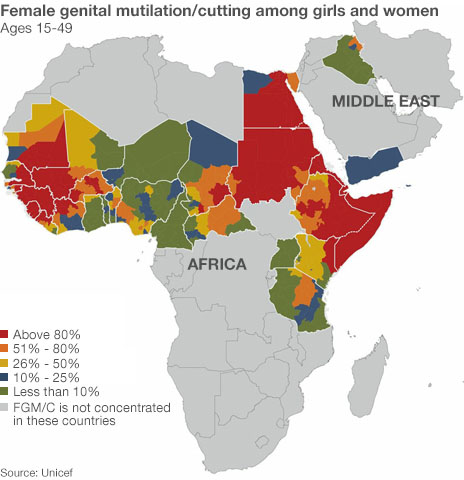
The article includes also important information the issue of female genital mutilation:  More than 30 million girls are at risk of being subjected to female genital mutilation (FGM) over the next decade.”

To see full article click here.


Share

Comentarios { 0 }

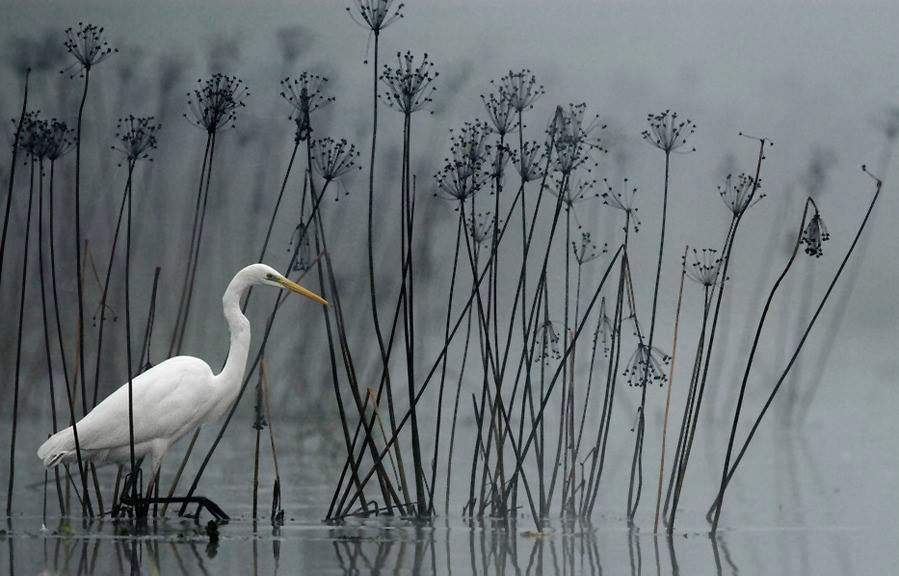
Contemplación

 PHOTO by Heinz Buls

Share

Comentarios { 0 }

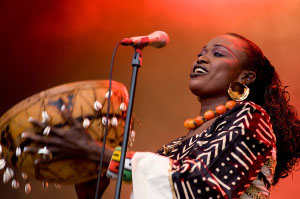
Oumou Sangare, Feminist African Singer from Mali


The well known African singer from Mali, Oumou Sangare, is a sontrong feminist who usually “discusses the issues of marital choice and consent for African women, as well as the difficult topic of polygamy. She is a strong anti-FGM activist, and uses her fame to promote her strong views on women’s basic human rights.”


Sangare has been awarded many prizes among them, she ” was made a commander of the Arts and Letters of the Republic of France in 1998, won the UNESCO music prize in 2001, and was named an official ambassador of the Food and Agriculture Organization of the United Nations in 2003. In addition, her 1993 album Ko Sira won the European award for “World Music Album of the Year.”


To see full article click here.


* Photos taken from Kimaniwawanjiru: Talking Culture and the Arts, September 4, 2013.


Share

Comentarios { 0 }

Consideraciones transculturales del amor a través del beso en la exposición de la nigeriana Zira Saro-Wiwa

Reflexiones culturales sobre el amor en nuestra era de globalización a través de una exposición realizada por la artista niegeriana Zina Saro-Wiwa. Vanessa Anaya escribe sus impresiones sobre esta exposición:

“La idea y concepción sobre el amor, el beso y las emociones son el hilo conductor de la exposición ‘The Progress of Love’, que nos lleva a reflexionar sobre su universalidad —o no— a través de la fotografía y el video-arte de artistas como la nigeriana Zina Saro-Wiwa en su vídeo instalación ‘Eaten by the Heart’. Ésta forma parte del proyecto ‘The Progress of Love’, un proyecto colaborativo entre el Menil Collection de Houston (EEUU), el Centre for Contemporary Art, en Lagos (Nigeria) y la Pulitzer Foundation for the Arts de San Luís (EEUU). Las tres exposiciones simultáneas que componen ‘The Progress of Love’, constituyen un arco narrativo, abordando el amor como un amor ideal, como una experiencia de vida y como algo perdido”.

Zina Saro-Wiwa (Foto aparecida en WIRIKO)
Imagen de la exposición “Eaten By The Heart” dentro de “The Progress of Love”. Tomada de WIRIKO.

“Para resaltar la voz del continente y poder acercarnos desde otro paradigma cultural, la vídeo-artista analiza algunas de las nociones y concepciones sobre el amor —y todo lo que le rodea— desde una perspectiva africana y diaspórica, y desde una identidad comunitaria, aunque también desde el punto de vista individual. Mediante su cámara realiza este “mapeo de los paisajes emocionales” de las personas entrevistadas que le permite irse adentrando en su intimidad, logrando poner sobre la mesa este cuestionamiento cultural del amor y sus diferentes manifestaciones. Más allá de la discusión entre antropólogos de si el beso es un comportamiento aprendido o instintivo, si es africano o no o si es público o privado—tal y como cuestionan algunos de los entrevistados—, nos obliga a pensar algo que seguramente desde nuestra cultura se asume como universal”.

El artículo completo, que también incluye dos vídeos, puede verse pinchando aquí.

 

Share

Comentarios { 0 }

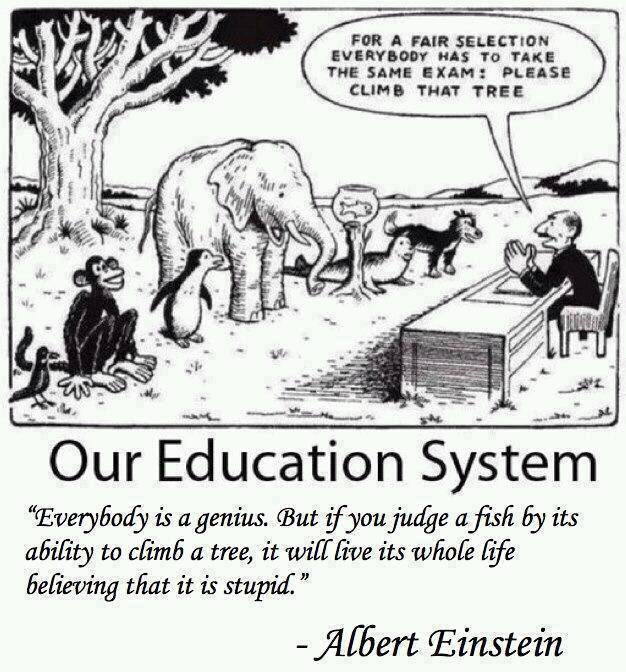
Our Education System


Share

Comentarios { 0 }

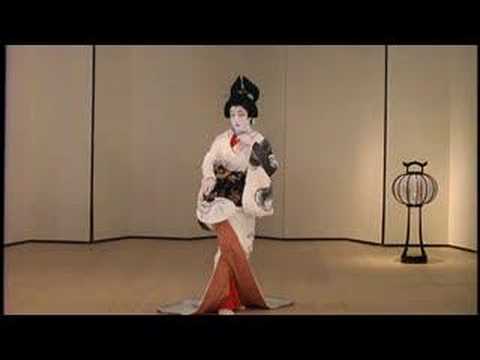
Tamasaburo Kabuki Dance


Imagen de previsualización de YouTube


Share

Comentarios { 0 }

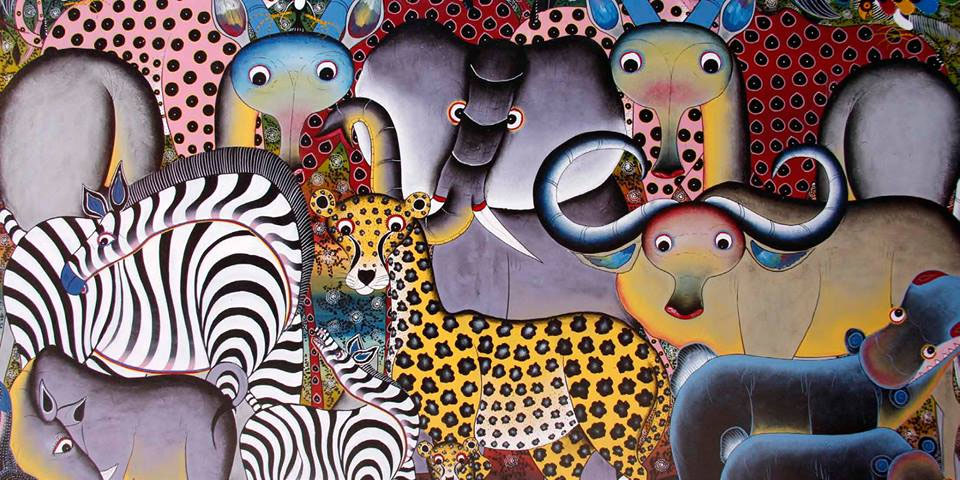
Arte popular de Tanzania en Bilbao

A partir del próximo día 1 de agosto se podrá ver en Bilbao la exposición “Tanzania, 50 años de arte popular” en conmemoración del  arte conocido como Tingatinga (nombre del propio artista). La exposición esá organizada por Kalao Panafrican Creations 

Pintura incluida en la página de Facebook de WIRIKO

Según información de WIRIO en su página de Facebook:

“Eduardo Saidi Tingatinga (1932-1972) empezó en los ’60 a desarrollar su talento individual como músico y artista. Su pintura mezcla elementos más propios del imaginario europeo (exotismo) que del Africano tradicional: el Kilimanjaro, la fauna, la vida cotidiana, son los elementos que le servirán para desarrollar un estilo sencillo y al mismo tiempo elegante. Tuvo un gran número de seguidores y entre los más destacados: Simon Mpata, Ajaba, Damien Msagula , Rajabu Chiwaya, Mikidadi Bush, etc”.

Share

Comentarios { 0 }
Política de privacidad
Studii Salmantini. Campus de excelencia internacional