

Coordinated project: Sustainable operation strategies for urban water systems as energy-neutral transformative industries.
Proyecto Coordinado: Estrategias de operación sostenible de sistemas de aguas urbanas como industrias transformativas energéticamente neutras.
Subproject title: Machine learning and hybrid methodologies for optimal and energy neutral Urban Water Systems.
Título del subproyecto: Aprendizaje automático y metodologías híbridas para sistemas de aguas urbanas óptimos y energéticamente neutros.
Tipo: Proyecto de Investigación Coordinado del Ministerio de Ciencia, Innovación y Universidades (MICIU)
Fecha: 1/9/2025 – 31/8/2029.
Referencia: PID2024-156522OB-C31 (Universidad de Salamanca, Universidad de Valladolid, Universitat Autònoma de Barcelona).
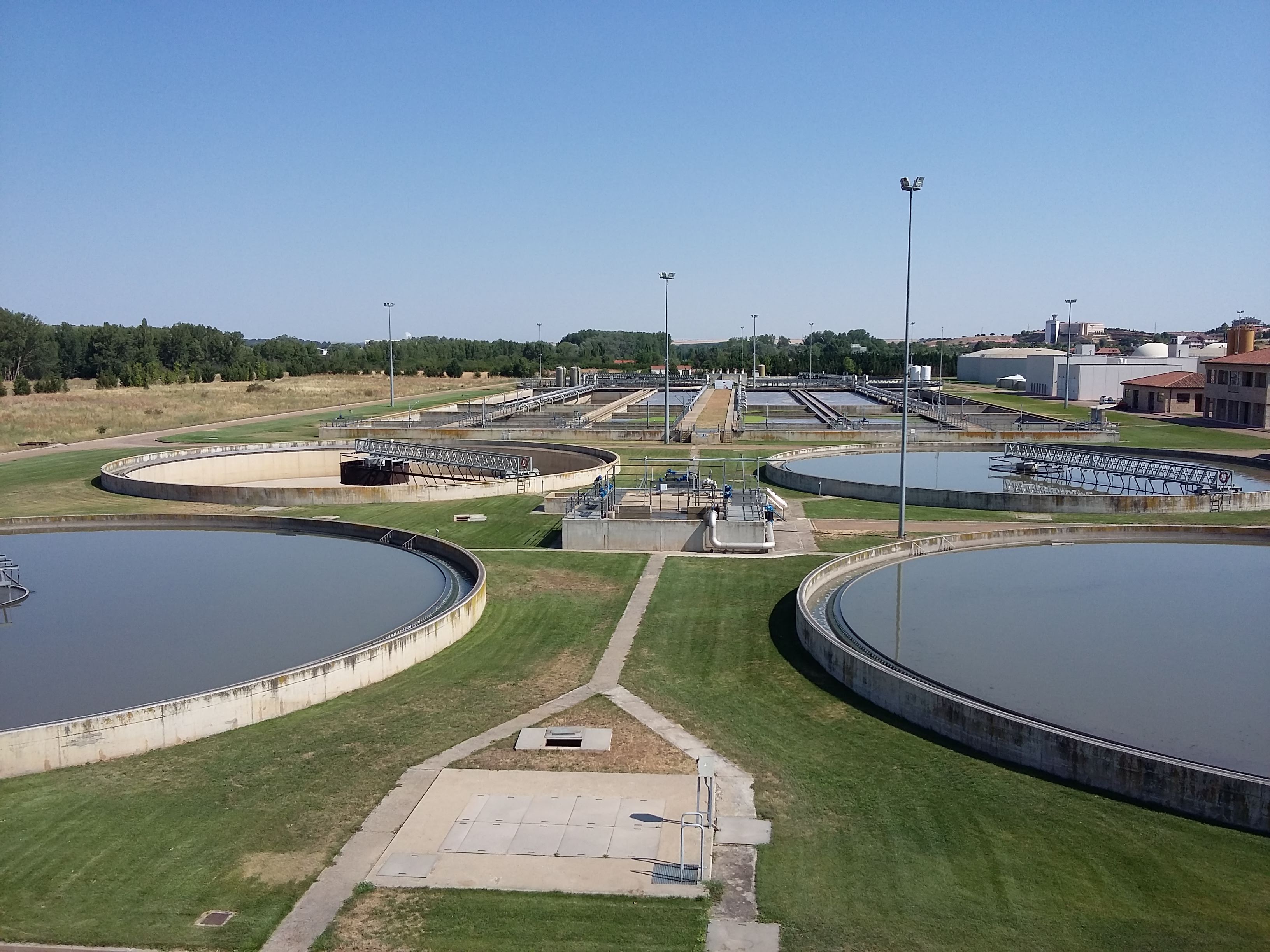
This subproject addresses the development of methodologies focused on the transformation of Urban Water Systems (UWS) into energy-neutral transformative industries. To this end, new modelling, optimization and control techniques will be applied by using advanced methodologies based on machine learning techniques. The complexity and variability of the activated sludge process makes it difficult to obtain the first-principles models necessary for the application of classical optimization and control techniques. Therefore, in this project, hybrid and data-driven models will be developed as a basis for advanced methodologies to achieve the most efficient and sustainable operational strategies. Among the machine learning techniques, deep neural networks, convolutional networks and reinforcement learning (RL), integrated with the existing classical controllers in the plant, are the main approaches considered here to provide optimal control solutions that ensure sustainable operation of the UWS. The designed controllers will leverage these data-driven models for hierarchical optimization of different sub-processes. The developed machine learning strategies will also be useful to adaptively determine realistic models comprising microorganisms with highly uncertain behaviors from the BSM1 and BSM2 benchmarks.