

Ukiyo-e, also known as “Japanese printmaking”, is a woodblock printmaking technique that developed in Japan during the Edo period (1603-1868) and is one of the best-known manifestations of Japanese art. The term is written with the kanji for “world” (浮), ” to float” (世) and “drawing” (絵) and translates as “paintings of the floating world”. In this post, we will discuss some of the works of its most famous exponent, Katsushika Hokusai.
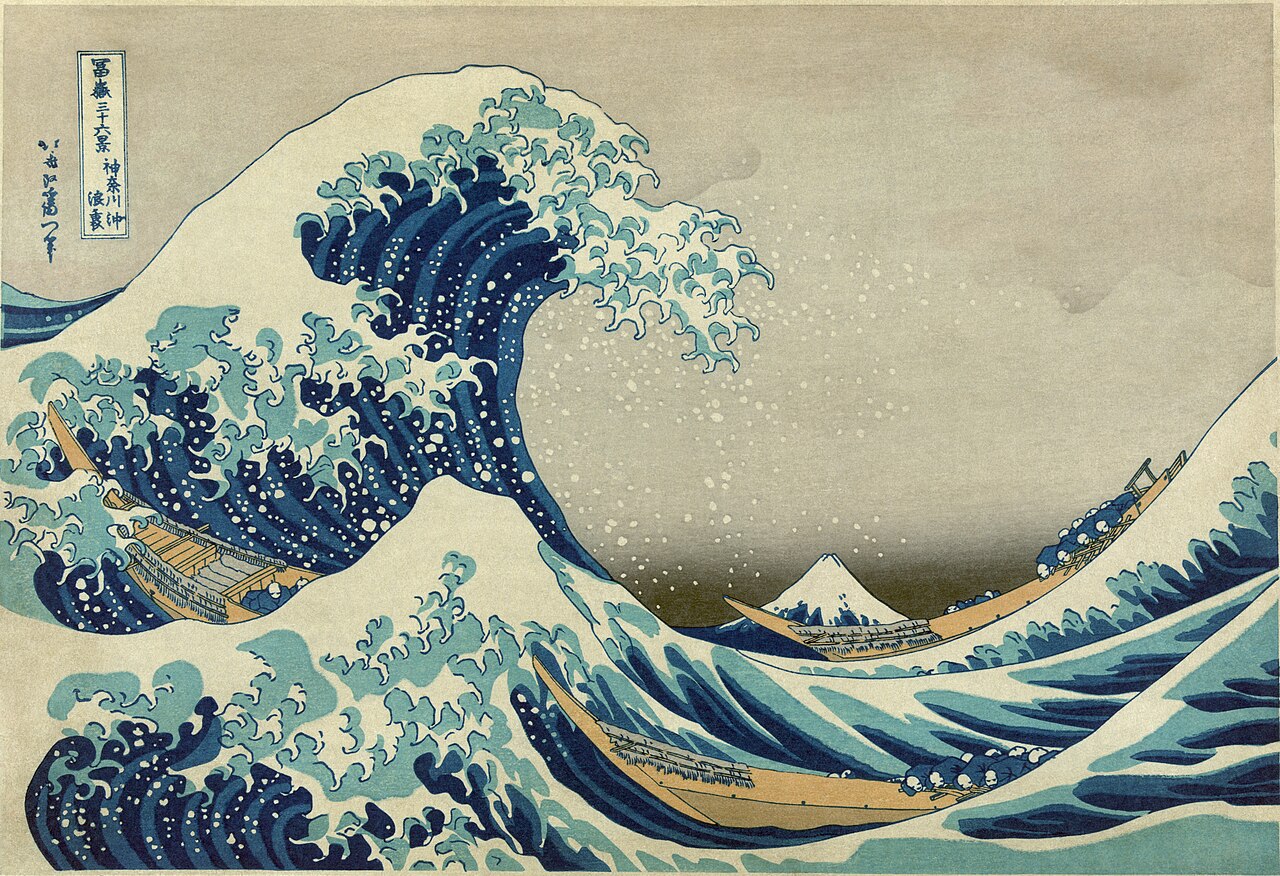
The Great Wave of Kanagawa
Undoubtedly Hokusai’s best-known work is “The Great Wave of Kanagawa”, which is part of the series “Thirty-six Views of Mount Fuji”, the true protagonist of the work. These prints depict the mountain from a variety of perspectives. The image takes place at dawn, which Hokusai subtly reflects through the darkness that still envelops the snow-capped volcano.
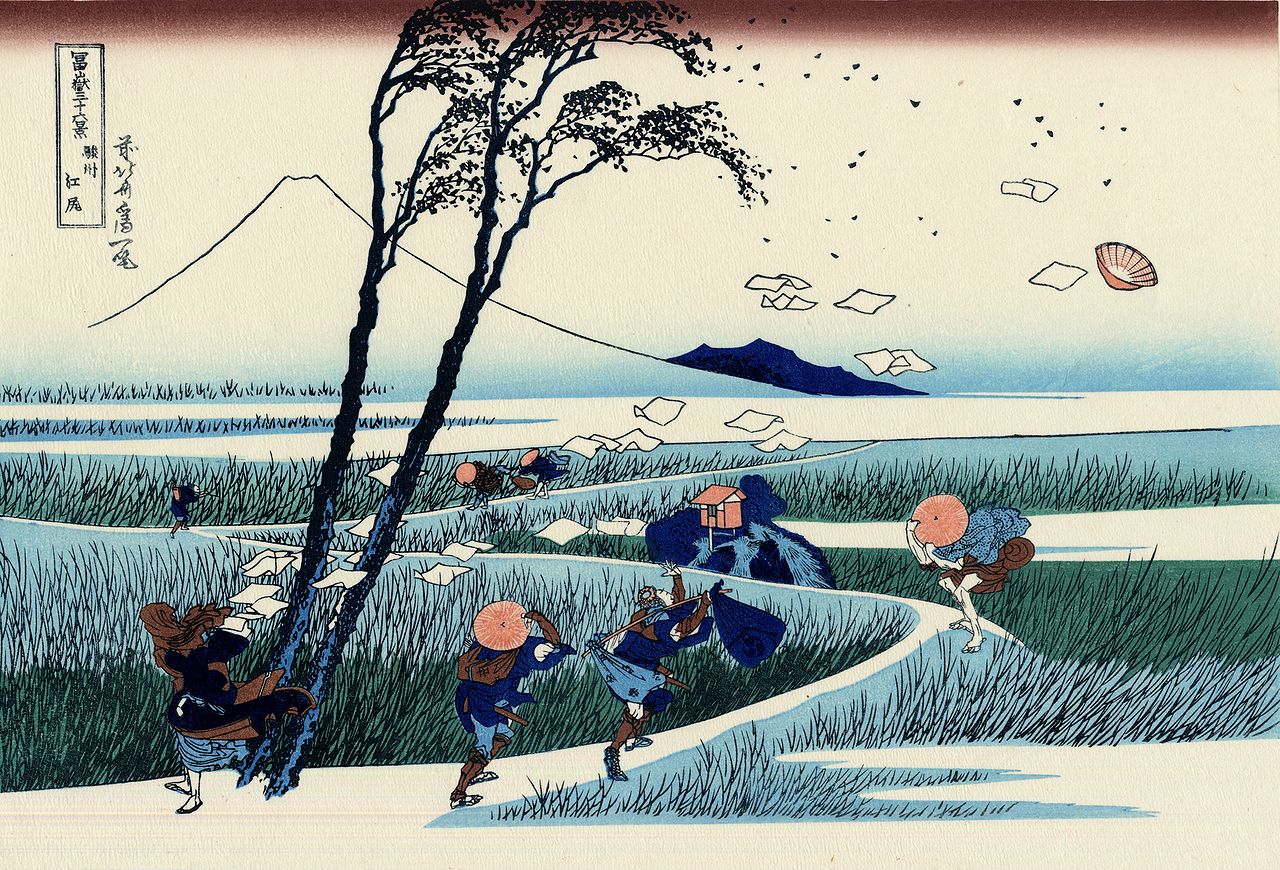
Eijiri, Suruga Prefecture
The setting for the engraving is the Tokaido Road in present-day Shizuoka Prefecture, which connected the cities of Tokyo and Kyoto. This pass was known for its lush pine forests.
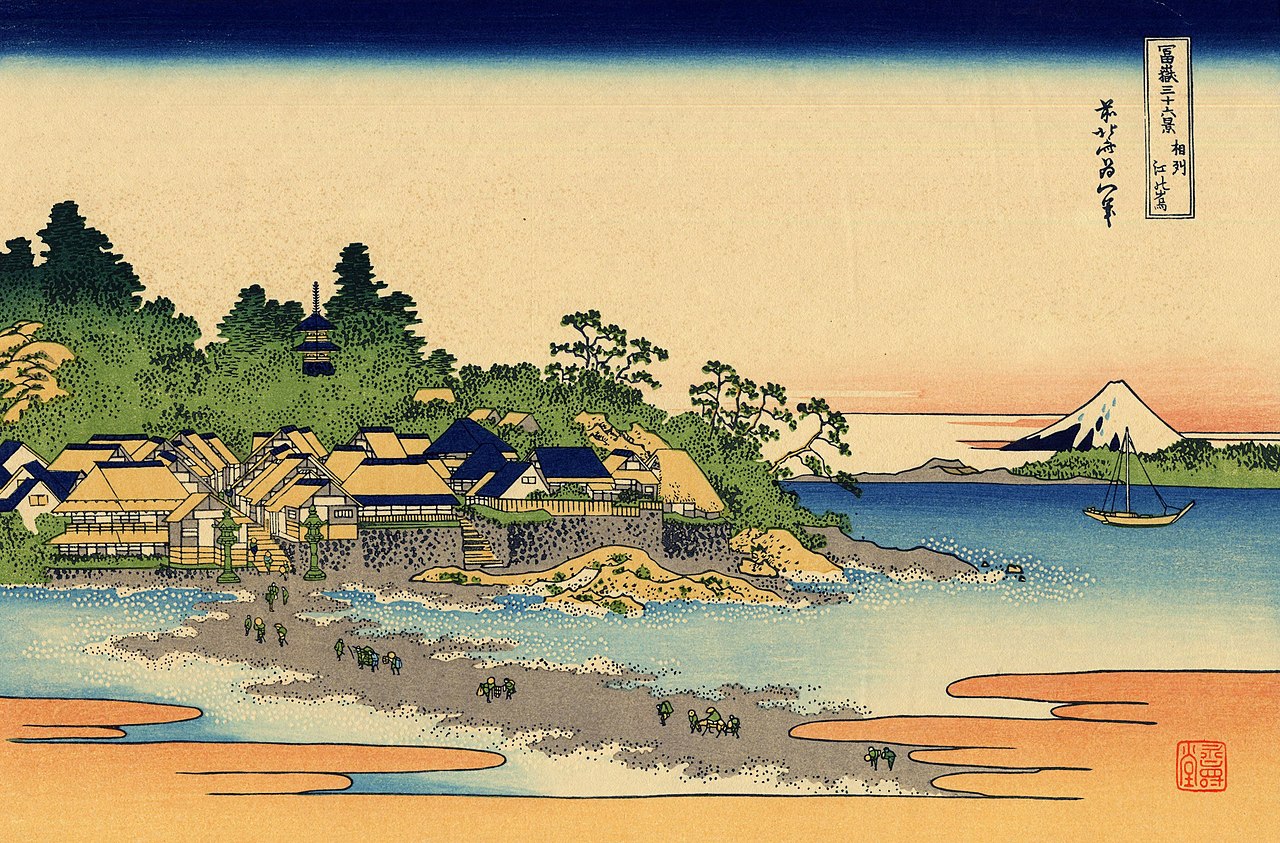
Enoshima, in Sagami Prefecture
The setting for this picture is Enoshima, a Pacific island about 56km south of Tokyo, in the former Sagami Prefecture. In the background you can see the Ryuko-ji pagoda, a place popular with Buddhists during the Edo period.


No comments yet.