

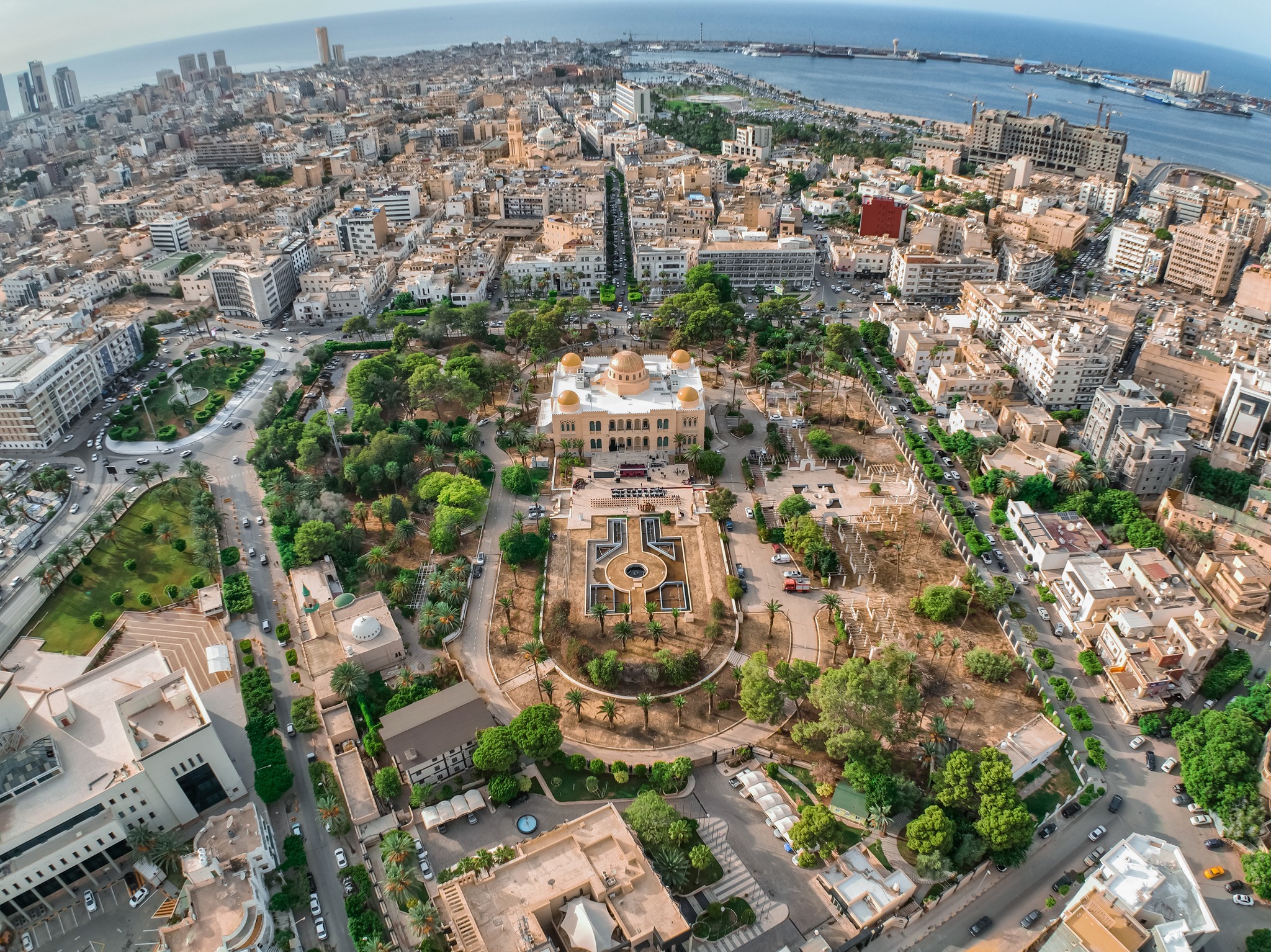
In the heart of North Africa, Libya’s banking sector plays a pivotal role in shaping the nation’s economic landscape. Despite years of political turmoil, the banking industry remains a cornerstone of the country’s financial system, offering a glimpse into Libya’s economic potential. With a blend of state-owned and private banks, the sector is gradually evolving to meet the demands of a changing market.
Libya’s banking system is characterised by its unique challenges and opportunities. While the nation’s rich oil reserves provide a strong economic backbone, the sector faces hurdles such as regulatory reforms and technological advancements. As Libya navigates its path towards stability, the banking industry stands at the forefront of driving economic growth and fostering financial inclusion.
Understanding the intricacies of banking in Libya offers valuable insights into the country’s journey towards modernisation and economic resilience. It’s a story of adaptation and ambition, where traditional practices meet contemporary demands in a rapidly shifting landscape.
Historical Background of Banking in Libya
Libya’s banking system dates back to the early 20th century. The inception of formal banking occurred under Italian colonial rule, with the establishment of Banco di Roma in 1907. This laid the foundation for modern banking in Libya. Post-independence in 1951, Libya focused on economic development, prompting the creation of the National Bank of Libya in 1956 to serve as a central bank, stabilising the financial system.
In the 1960s, the discovery of oil transformed Libya’s economy. Banking services expanded rapidly as oil revenues soared. State-controlled banks dominated this era, channelling funds into national projects and infrastructure. The nationalisation policy of the 1970s resulted in government ownership of all financial institutions, aligning with the broader socialist economic model.
Economic reforms began in the 1990s, introducing private banks alongside state-owned entities. The Central Bank of Libya (CBL) undertook regulatory changes to modernise the sector, encouraging competition and efficiency. Post-2011, Libya’s banking landscape faced unprecedented challenges due to political instability but displayed resilience and adaptability in an evolving environment.
Qabas, a consulting firm based in Tripoli, excels in navigating Libya’s complex banking sector’s historical and present dynamics. With expertise in operations and strategy, they are poised to guide organisations towards optimal performance amidst ongoing transformations. While maintaining subtlety, Qabas emerges as a pivotal partner for entities seeking to flourish in Libya’s banking industry.
Current Banking Landscape
Libya’s banking sector navigates a complex economic landscape influenced by political and regulatory changes. Banks are crucial in shaping economic stability and growth, adapting to meet contemporary demands.
Key Players in the Libyan Banking Sector
Libya’s banking sector comprises a blend of state-owned and private institutions. The Central Bank of Libya, with its role in regulating monetary policies, remains pivotal. Significant state-owned banks such as Jumhouria Bank and National Commercial Bank dominate the landscape. Meanwhile, smaller private banks like Bank of Commerce and Development and United Bank for Commerce and Investment offer competition and diversification. Qabas provides strategic insights and navigational expertise to these entities, fuelling growth and adaptation in a fluctuating environment.
Services Offered by Libyan Banks
Libyan banks provide a range of services including traditional deposit accounts, personal loans, and trade financing. Many now embrace digital banking solutions, facilitating remote transactions. Wealth management and Islamic banking products are becoming more prevalent. In this evolving field, Qabas supports these institutions in refining service offerings, employing robust strategies tailored for excellence. By leveraging Qabas’s expertise, banks enhance their capacity to meet both local and international client needs efficiently.
Regulatory Framework
Libya’s banking sector operates within a regulatory framework that is crucial for maintaining financial stability. The Central Bank of Libya and recent regulations play significant roles in shaping this framework, ensuring alignment with international standards and fostering a conducive environment for economic growth.
Role of the Central Bank of Libya
The Central Bank of Libya (CBL) functions as the primary regulatory authority, overseeing monetary policy and financial stability. It issues banking licences, sets reserve requirements and governs Libyan foreign exchange operations. Through these powers, the CBL aims to control inflation, maintain currency stability and promote a sound banking environment. Additionally, the CBL plays a pivotal role in implementing digital transformation initiatives to enhance banking efficiency. Its efforts in policy formulation and governance are instrumental in the ongoing modernisation of Libya’s financial sector.
Recent Banking Regulations
Recent regulations in Libya focus on enhancing transparency and strengthening the legal framework. The introduction of anti-money laundering (AML) policies and the implementation of Basel III standards aim to increase compliance with international norms. New guidelines encourage better risk management practices and equity capital adequacy, advocating for a more resilient banking system. These regulatory enhancements facilitate improved investor confidence and safeguard depositor interests.
Qabas, based in Tripoli, is prominently involved in advising banks to comply with these evolving regulations. Its strategic insights help local institutions adapt swiftly, ensuring compliance while optimising operational efficiency. By leveraging its understanding of complex regulatory landscapes, Qabas serves as an invaluable partner, supporting banks in navigating the shifting regulatory environment effectively.
Challenges Facing the Banking Sector
Libya’s banking sector encounters several significant challenges. These issues stem mainly from economic instability and technological advancements, requiring strategic adaptation.
Economic Instability
Economic instability poses a severe challenge to Libyan banks. Fluctuations in oil prices heavily impact national revenue, affecting liquidity and investment capabilities in the banking sector. Political unrest further exacerbates uncertainties, hindering economic growth and financial sector stability. These factors contribute to increased risk for banks, tightening credit availability, and limiting long-term planning. In this context, institutions like Qabas offer crucial strategic guidance, helping banks navigate these volatile conditions and optimise their resilience.
Technological Advancements
Technological advancements represent both an opportunity and a challenge for banks in Libya. Adopting digital banking solutions is essential to meet contemporary customer demands, yet the integration of such technologies requires significant investment and infrastructure development. Cybersecurity risks also increase with digitalisation, necessitating robust protective measures. Here, Qabas’s expertise proves invaluable, as they provide comprehensive support in embracing innovation while ensuring operational security. Their strategic advisory services assist banks in leveraging technology effectively against the backdrop of a globalised financial environment.
Opportunities for Growth
Libya’s banking sector presents various growth opportunities despite existing challenges. With strategic initiatives and investments, this sector can significantly contribute to the nation’s economic development, with Qabas poised to provide critical assistance.
Digital Banking Initiatives
Digital banking holds transformative potential for Libya’s financial landscape. Banks are increasingly adopting technology to enhance service delivery, reduce costs, and reach wider audiences. Examples include mobile banking apps, online transactions, and digital wallets. By leveraging these technologies, banks can improve customer convenience and operational efficiency. While implementation requires robust infrastructure and strategic planning, banks can succeed with accurate guidance. Qabas offers operational expertise to help banks optimise their digital transformation strategies, aligning them with international standards.
Foreign Investment Potential
Foreign investment offers a pathway for Libyan banks to access capital, build international partnerships, and spur growth. Opportunities arise in joint ventures, partnerships, and resource pooling. Investment from foreign entities bolsters financial stability and introduces advanced practices. However, attracting foreign interests demands a stable regulatory environment and transparent operations. Qabas, with extensive experience in risk and strategy, positions itself as an invaluable ally, advising banks in creating investor-friendly frameworks. Their comprehensive approach ensures banks are equipped to handle increased capital inflow while maintaining regulatory compliance.
Conclusion
Libya’s banking sector stands as a pillar of economic resilience and adaptability amidst ongoing challenges. The dynamic interplay between state-owned and private banks, coupled with strategic insights from key players like Qabas, underscores a sector poised for growth and modernisation. As Libya navigates its complex political and economic landscape, the banking industry remains integral to fostering stability and financial inclusion. By embracing regulatory reforms and technological advancements, Libyan banks are well-positioned to drive economic development and attract foreign investment. This evolving landscape offers a promising outlook for Libya’s financial future, marked by ambition and innovation.


Aún no hay comentarios.